The History of Vanlife in Baja California: How a Remote Peninsula Became a Road Traveler's Legend
There's a reason Baja California sits on every serious road traveler's bucket list. Not because it's convenient — it isn't. Not because it's perfectly paved — it's not. But because something about driving south on that long strip of peninsula, surrounded by desert, ocean, and horizon, has been pulling people in since long before "vanlife" was even a word.
This is the story of how it started.
Before the Highway: A Peninsula Apart
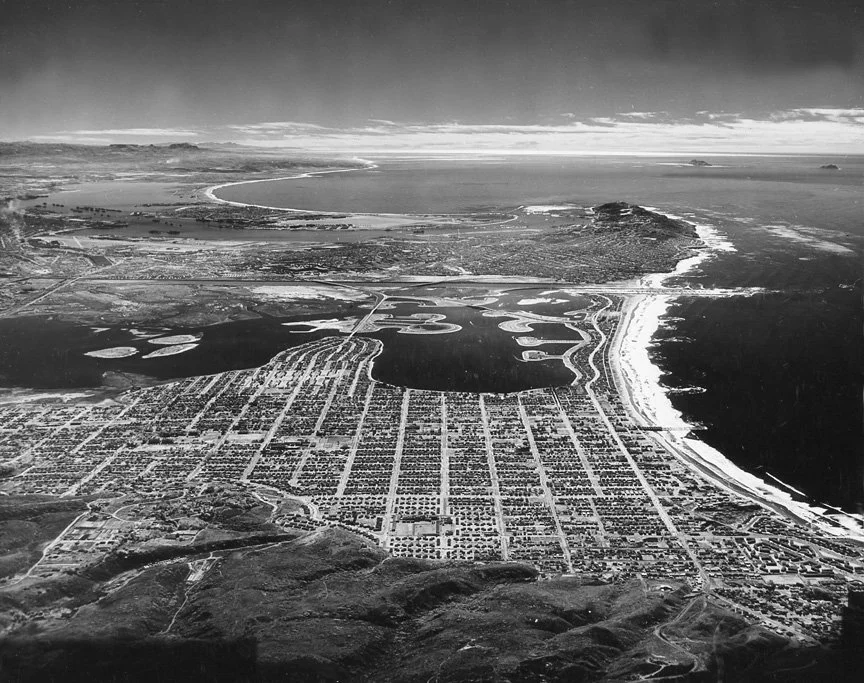
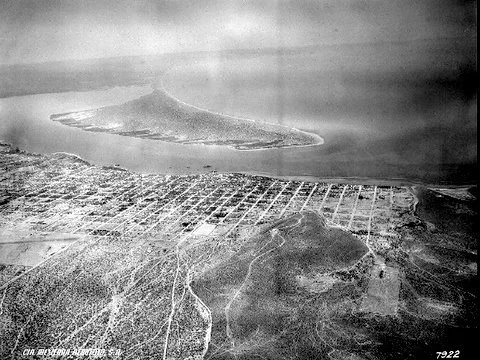
For most of the 20th century, Baja California Sur was one of the most isolated places in North America. Small fishing villages dotted the coastline. Ranchers worked the inland valleys. Travel between towns could take days — not hours — because there was no continuous road connecting the peninsula from north to south.
The land was vast, quiet, and largely untouched by outside development. No resorts. No highway billboards. No cell signal. Just desert stretching to the sea on both sides, and communities that had learned to live entirely on their own terms.
That isolation is exactly what made it magnetic to the people who found it.
The First Road Travelers: Surfers, Adventurers, and a Few Stubborn Dreamers
In the 1960s and early 1970s, a handful of surfers and adventurers from Southern California started doing something unusual: pointing their vehicles south and just driving. Not to a hotel. Not to a resort. Into the unknown.
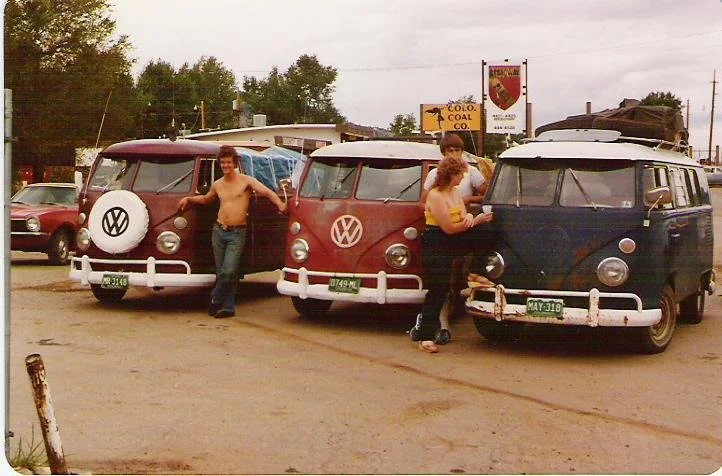
They came in VW buses, modified trucks, and beat-up vans — loaded with surfboards, camping gear, extra jerry cans of fuel, and enough mechanical know-how to fix whatever broke down (because something always broke down). They were chasing waves and solitude, two things Baja had in abundance.
Places like Scorpion Bay (San Juanico) on the Pacific coast — still considered one of the longest right-hand point breaks in the world — became whispered legends. The East Cape. Remote Pacific breaks with no names. These spots weren't on any map. They passed from person to person, campfire to campfire.
These early travelers didn't come because it was easy. They came because it felt like the last real place.
The Roads Were Not Easy
Let's be honest about what driving Baja looked like before the highway existed.
Much of the peninsula was connected by nothing more than dirt tracks — jeep trails, really. Gas stations were separated by hundreds of kilometers. Flat tires weren't an inconvenience; they were a certainty. Every experienced Baja driver carried two spare tires, extra water, extra fuel, and the tools to fix an engine in the middle of nowhere, because no one was coming to help if something went wrong.
A drive from Tijuana to Cabo San Lucas wasn't a road trip. It was an expedition. It required weeks, not days, and demanded preparation, patience, and a very specific kind of resilience.
That difficulty filtered out everyone who wasn't serious. The people who made it south were the ones who genuinely wanted to be there.
The Game Changer: Highway 1 Is Completed in 1973
Everything changed — and also nothing changed — when Mexico completed the Transpeninsular Highway in 1973.
For the first time in history, a paved road connected Tijuana to Cabo San Lucas across the entire 1,700 km length of the Baja California peninsula. Travel time collapsed from weeks to days. More people could reach the south. The peninsula that had been accessible only to the most determined few was now open to anyone with a reliable vehicle and a full tank of gas.
But here's what didn't change: the scale. The remoteness. The long stretches between towns where you still see almost no one. Highway 1 made Baja accessible, but it couldn't make it small. The desert is still vast. The dirt roads branching off the highway still lead to beaches that feel like discoveries. The sense that you're somewhere genuinely far from ordinary life — that remained completely intact.
The highway opened the door. Baja kept its soul.
Word of Mouth: How Baja's Reputation Spread
Before Instagram. Before travel blogs. Before Google Maps could show you exactly where to park on a beach.
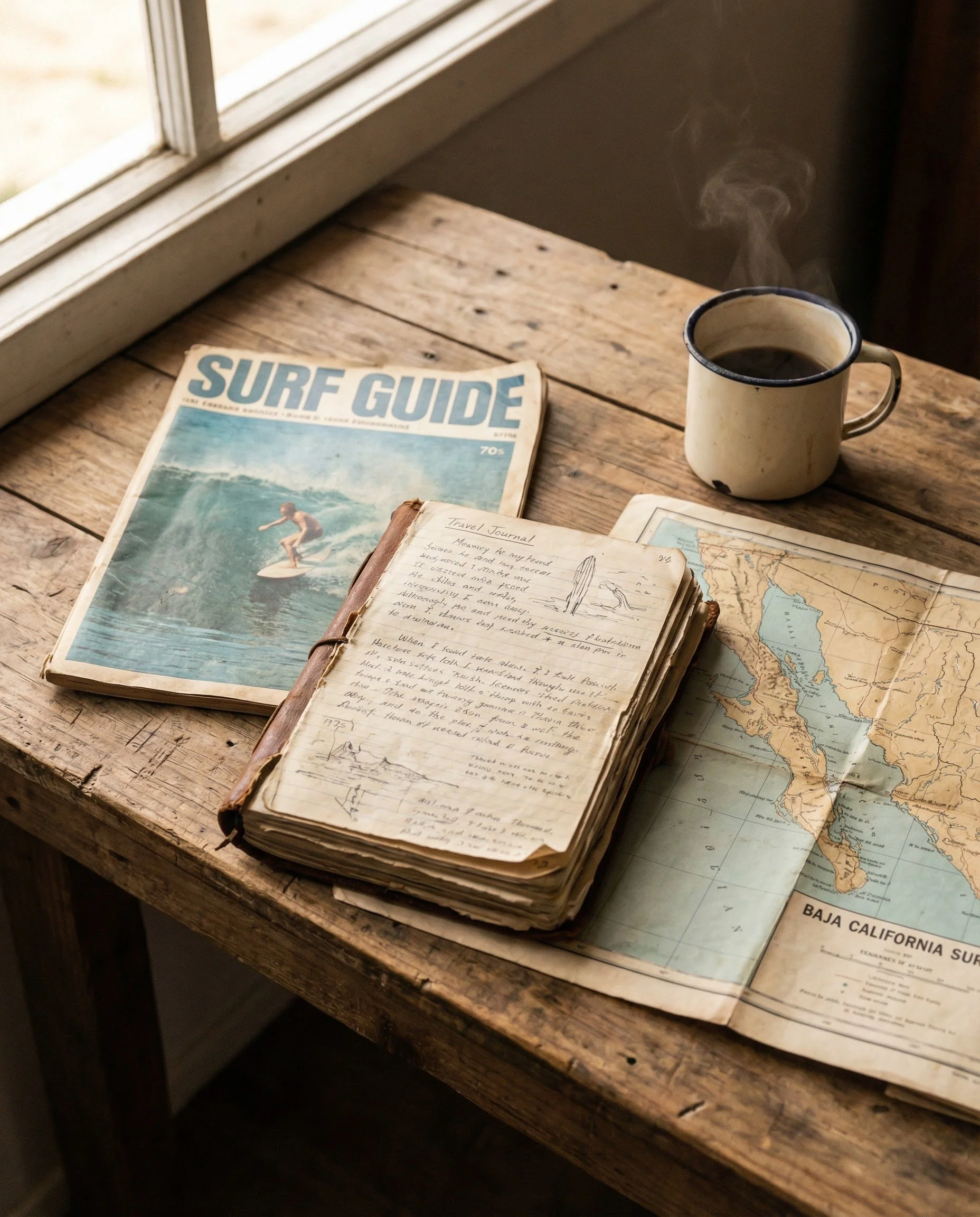
Stories of Baja California traveled the old way: printed surf magazines, handwritten travel journals, and conversations between people who'd made the trip and couldn't stop talking about it. Early guidebooks — most famously the original Baja California guidebooks from the 1960s and 70s — became cult objects, passed around and annotated by every generation of road traveler.
But long before the American surfers arrived, Baja had already been documented from within. Mexican journalist and writer Fernando Jordán published El Otro México: La Península de Baja California in 1951 — one of the most thorough and vivid portraits of the peninsula ever written. Jordán traveled the length of Baja at a time when almost no infrastructure existed, and his account captures the fishing communities, the ranching families, the vast silences, and yes — the earliest vehicle travelers already making their way south by van and truck. Reading it today, you realize that the spirit people chase in Baja wasn't invented by outsiders. It was already there, and the Mexicans who lived it had been writing about it first.
The peninsula gained a very specific reputation: empty beaches that still feel undiscovered, powerful Pacific swells at breaks that reward the drive south, warm, glassy water in the Sea of Cortez that turns turquoise in ways that feel impossible, and a local fishing culture so rooted in the land and sea that the entire atmosphere of the place feels authentic in a way that tourist-built destinations never quite manage.
That reputation didn't come from marketing. It came from people who went there and couldn't stop talking about it.
The Local Communities Who Shaped Everything
Here's something the travel story of Baja often skips over: the people who were already there.
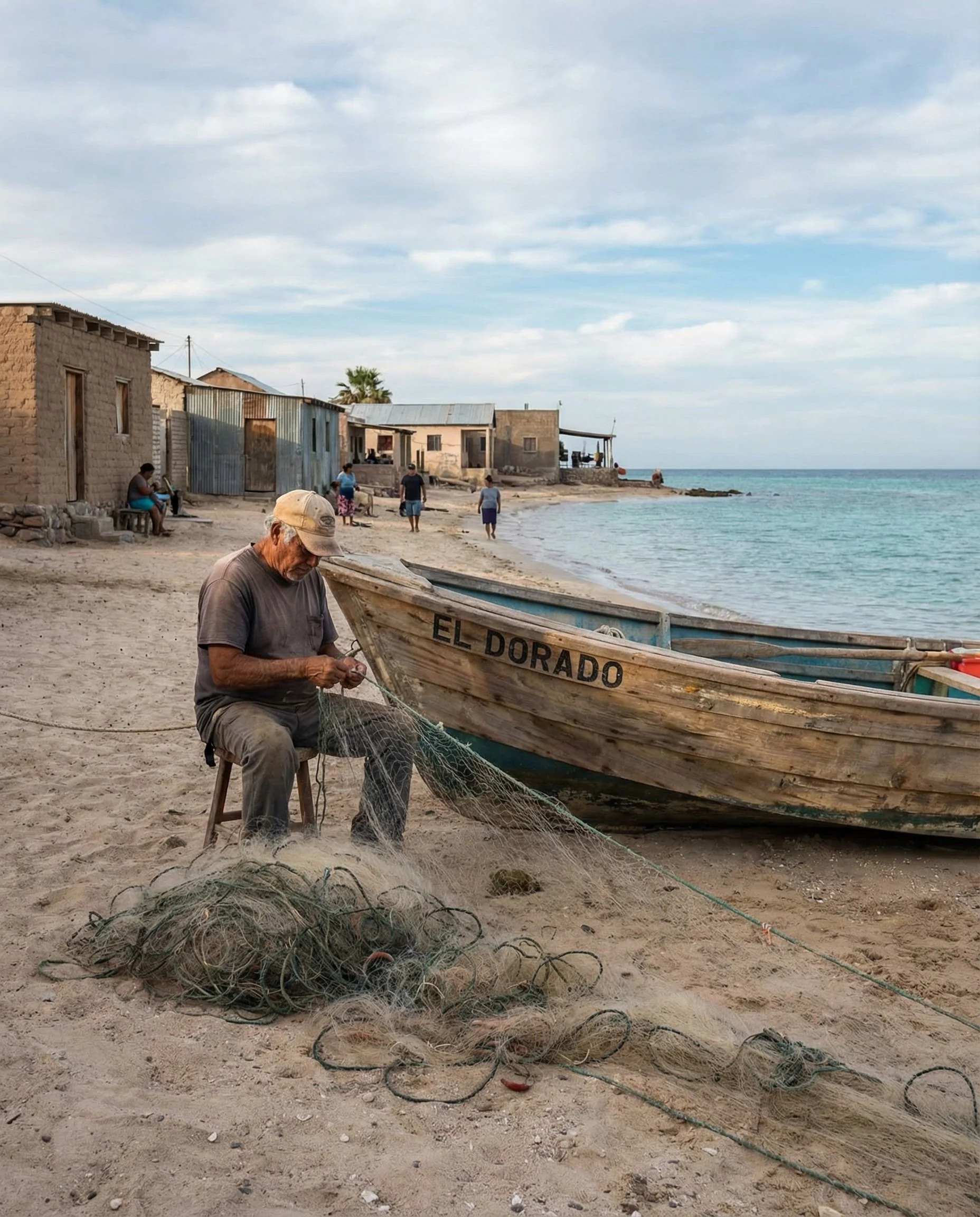
While outsiders were discovering the peninsula, the communities of Baja California Sur were living their own parallel lives — fishing the same waters, running small ranchos in the interior, building the kind of self-sufficient culture that comes from living far from anywhere. Towns like Todos Santos developed a surf culture of their own. Fishing villages became informal campsites for travelers who stayed long enough to become regulars.
The exchange between travelers and locals shaped Baja's travel culture in ways that still define it today. Baja was never built as a resort destination. It grew with time — organically, slowly, through real human contact between people from different worlds who both happened to love the same piece of land.
That's still the vibe you feel today when you stop at a roadside taco stand, or ask a fisherman which beach to camp on tonight. The culture here isn't performance. It's the real thing.
Where to eat like a local: Pull over at Restaurant El Taste in La Paz for some of the freshest fish tacos on the peninsula, or ask anyone in a fishing village where the cocina económica is — there's almost always one, and it's almost always excellent.
The Spirit of Early Baja Travel — And Why It Still Matters
Early Baja road travelers weren't chasing a trend. There was no trend. They were figuring it out as they went, and in doing so they established a code that still runs through the culture of Baja road travel today.
Self-reliance. If something broke, you fixed it. No one was coming. You either had the tools and the knowledge, or you were stuck.
Simplicity. Water, fuel, shade. That's what mattered. Everything else was secondary.
Respect for the environment. The desert doesn't adjust to you. You adjust to the desert. The ocean is powerful. The sun is serious. The land has its own rules.
Silence. Hours without another car in sight. No signal. No noise. Just road and desert and sky.
They camped where there was nothing. Repaired engines under the midday sun. Learned distance and patience in ways that polished-route travel never teaches.
It wasn't comfortable. It wasn't designed for them. And still, they kept coming back.
Why Baja Endured — And Still Does
Here's the honest answer: people didn't come to Baja because it was easy. They came because of how it felt.
You drive for hours and see almost no one. You wake up and it's just desert, ocean, and light. No noise. No pressure. No one telling you where to be or how fast to move. Baja makes you slow down without forcing it. It makes you notice things — the color of the water at different times of day, the way the desert smells after rain, the sound of nothing at all at two in the morning.
It makes you feel small in the best possible way.
And honestly? That hasn't changed. That's still why people choose Baja in 2026. Not because it's perfect. Not because it's convenient. But because it feels real in a world that's increasingly running out of real places.
As Jordán himself wrote, Baja was not only what he had learned from books, but “what stayed with me deep in the senses.” That may be the most accurate way to describe the peninsula: not as a place you simply visit, but as something that gets under your skin and stays there.
If you want a trip where the road is smooth and the itinerary is tight, Baja will frustrate you. If you want a trip that actually changes something in you — Baja delivers, every time.
The Legacy: What Every Dirt Road Carries
Today's road culture in Baja California rests on decades of exploration by people who had no guarantee it would work out.
The peninsula was not just "discovered." It was experienced, slowly, by those willing to drive the distance — past the point of comfort, past the last gas station, past the moment where most people turn around.
And its history lives in every coastal dirt road, every unmarked camp spot, and every horizon line that still feels completely wide open.
When you drive Baja today — whether in a campervan, a pickup, or a Jeep — you're driving on the same roads those early travelers mapped by necessity. You're camping on the same beaches they found by accident. You're part of a long, unbroken line of people who chose the hard road because the hard road was the right one.
Ready to Write Your Own Chapter?
Understanding the history of vanlife in Baja is one thing. Living it is another entirely.
At Vanbaja, we've been traveling these roads since before it was a brand and we still believe the best way to experience Baja is slowly, by vehicle, with no fixed itinerary and good preparation. We'll give you the camper/van, the route ideas, and the honest advice on what to really expect on the road. The rest is yours to figure out.
Not sure when to go? Check our month-by-month guide to the best time to visit Baja California Sur — every season has its own version of perfect.
And when you're ready to actually go, explore our vehicles here and start building your trip.
“Some of the best stories start exactly where the highway ends.”