
The Best Time to Visit Baja California Sur: A Month-by-Month Guide
Are you planning the ultimate road trip through Baja but aren't sure when to pack your bags?
Baja California Sur is a land of extremes. One month you might be wearing a hoodie by a campfire in the desert, and the next, you’re diving into turquoise waters that feel like a warm bath. Because the peninsula is tucked between the Pacific Ocean and the Sea of Cortez, the weather varies wildly depending on where you are and when you arrive.
At Vanbaja, we believe there is no "bad" time to visit, only different "vibes." Whether you are chasing world-class surf, looking for the quietest beaches, or hoping to meet a Gray whale, here is everything you need to know about the seasons in Baja.
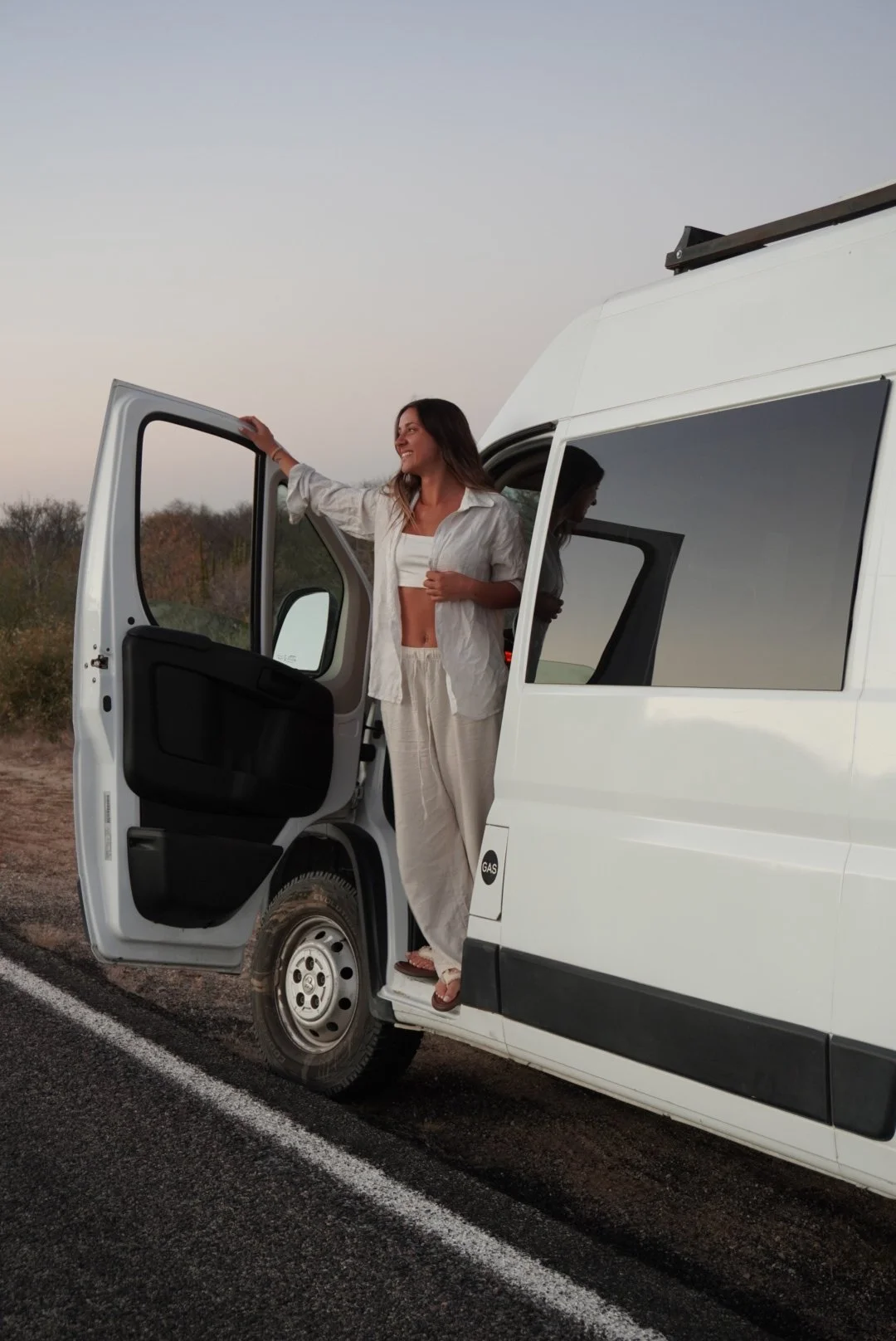
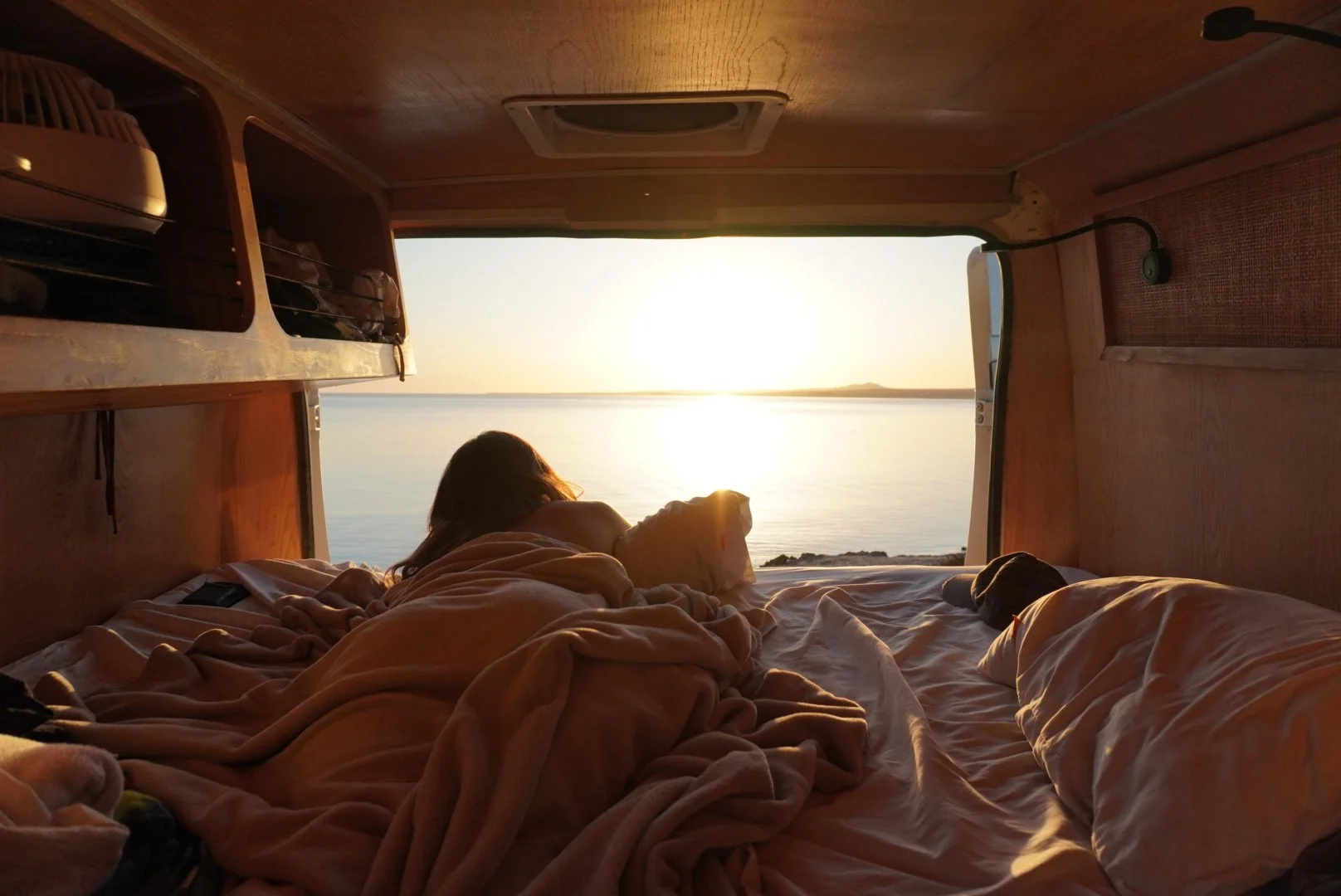
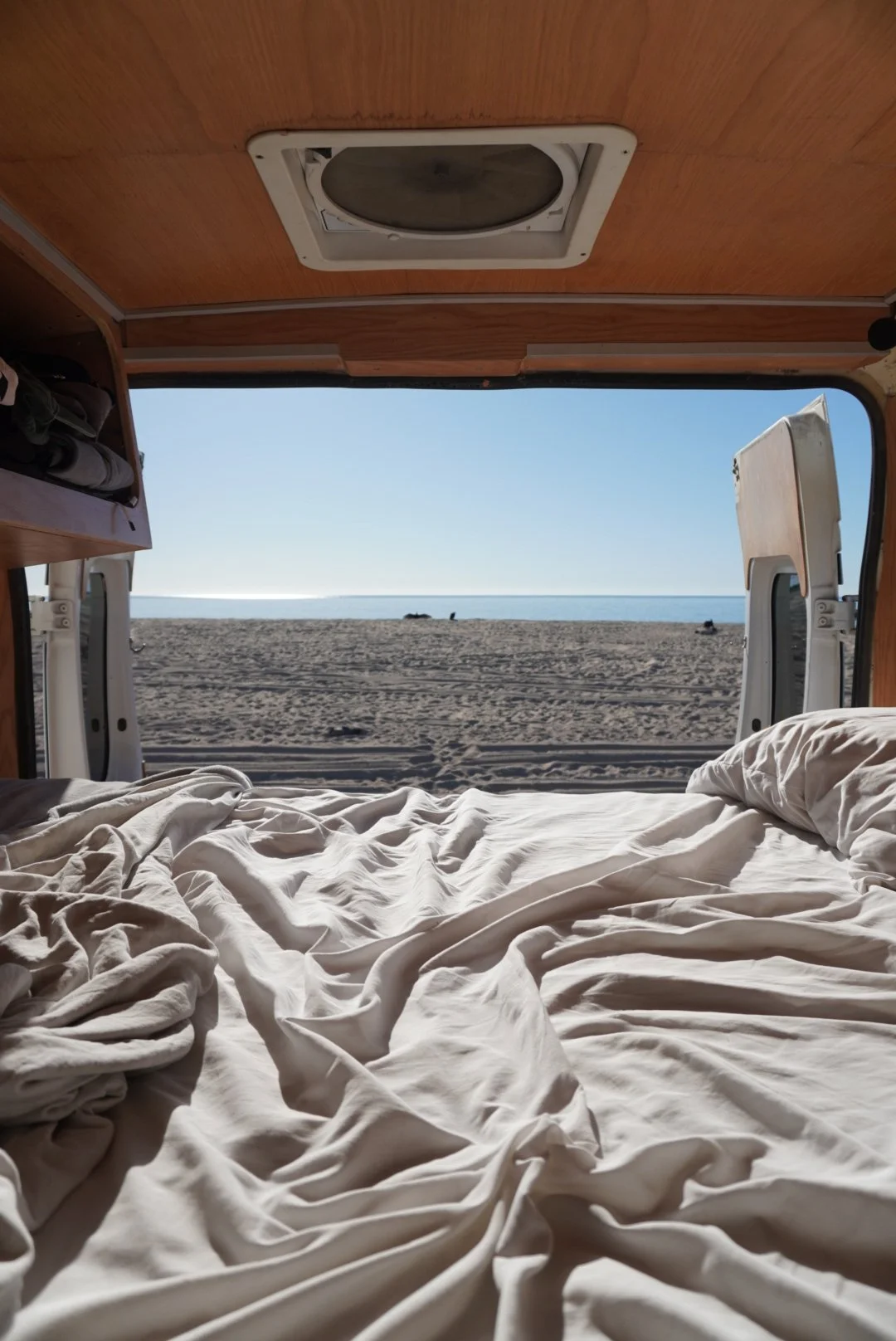

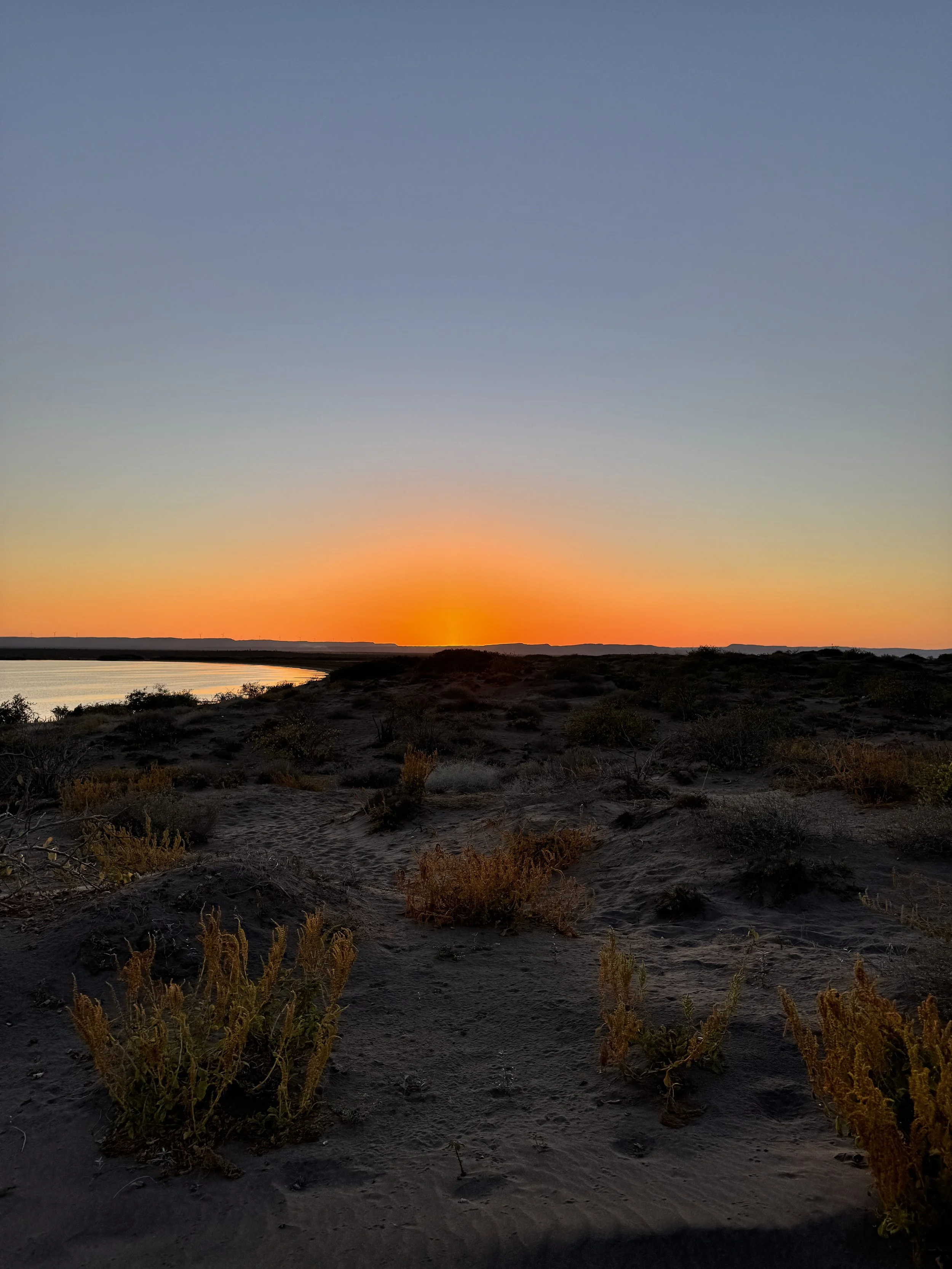

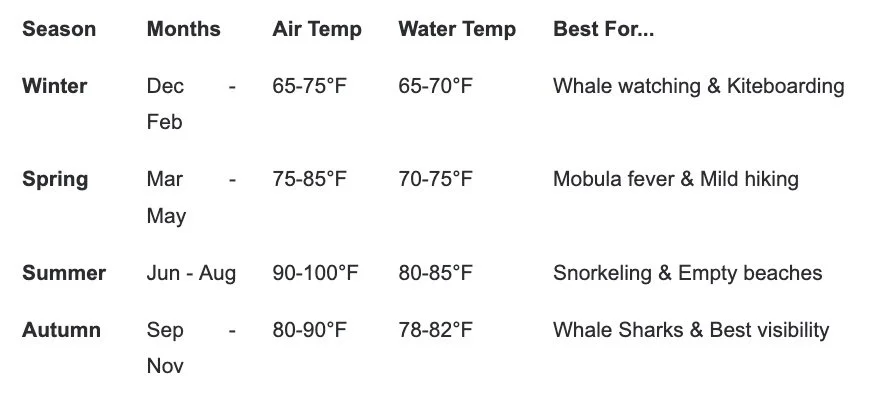
At a Glance: Baja Weather & Activity Summary
Winter (December – February): The Season of Wind and Whales
Winter in Baja is defined by the "Nortes" (strong winds from the North) and the arrival of thousands of migrating whales. This is not a "tropical heat" season; it is active, fresh, and adventurous.
What to Expect:
The air is crisp, with temperatures ranging from 15°C to 24°C (60°F–75°F). The nights in the desert can be surprisingly cold, sometimes dropping to 10°C (50°F). The Pacific side is much cooler and often foggy, while the Sea of Cortez side remains sunny but windy.
Key Activities & Where to Go:
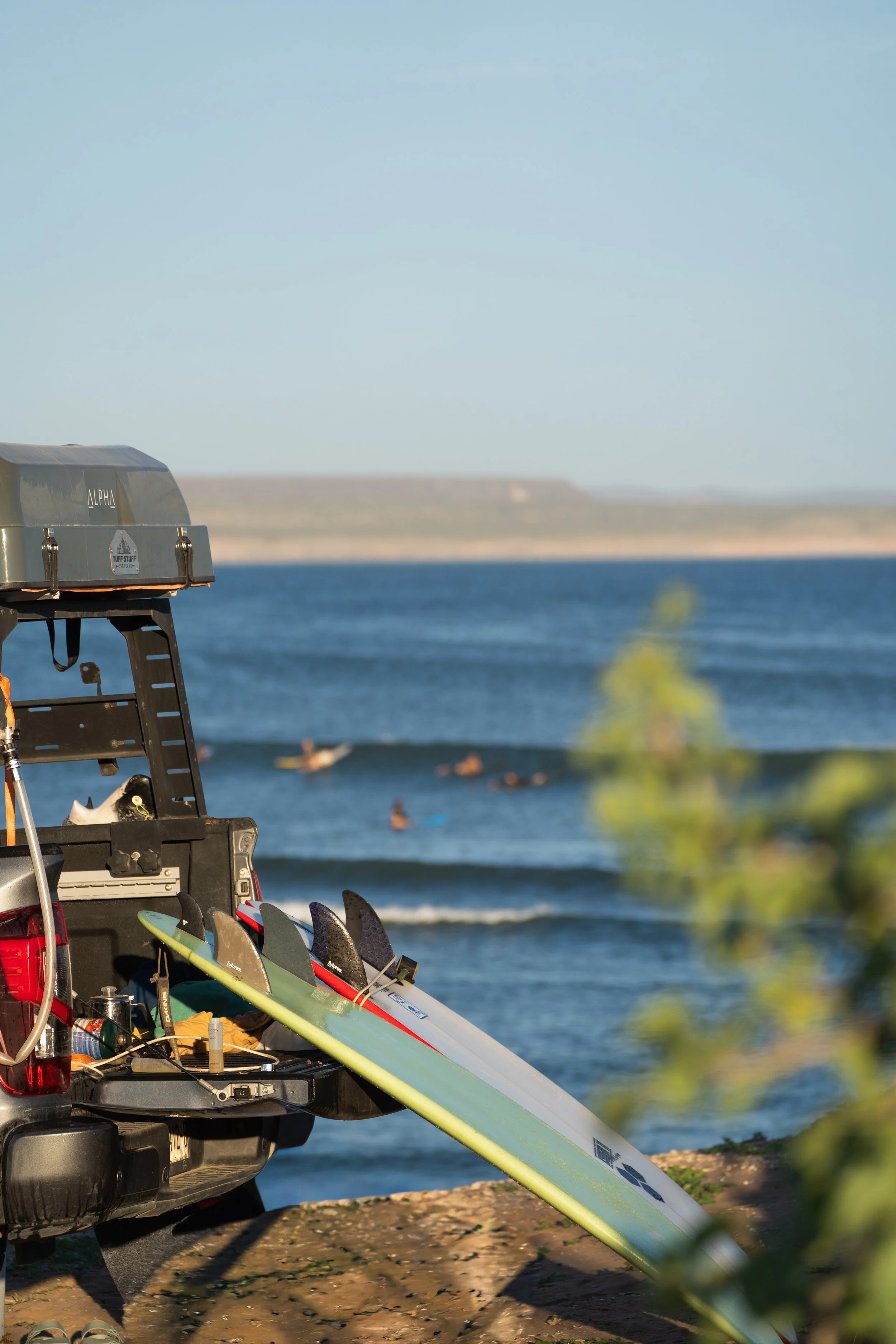
Kiteboarding & Wing Foiling: The towns of La Ventana and Los Barriles become world capitals for wind sports. The "Norte" winds blow consistently, creating perfect conditions for kiteboarding, windsurfing, and the increasingly popular wing foiling. If you want to learn, this is the time.
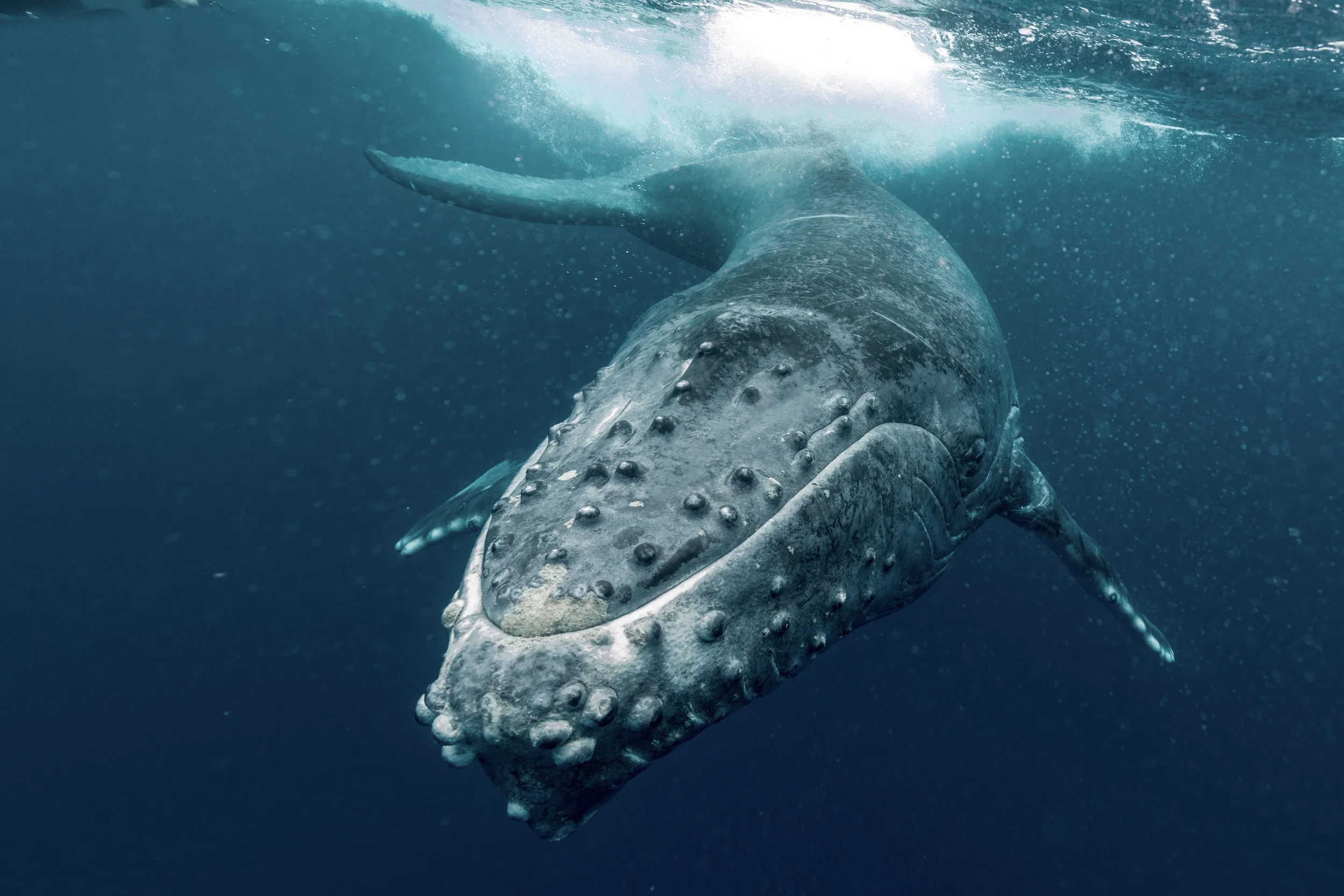
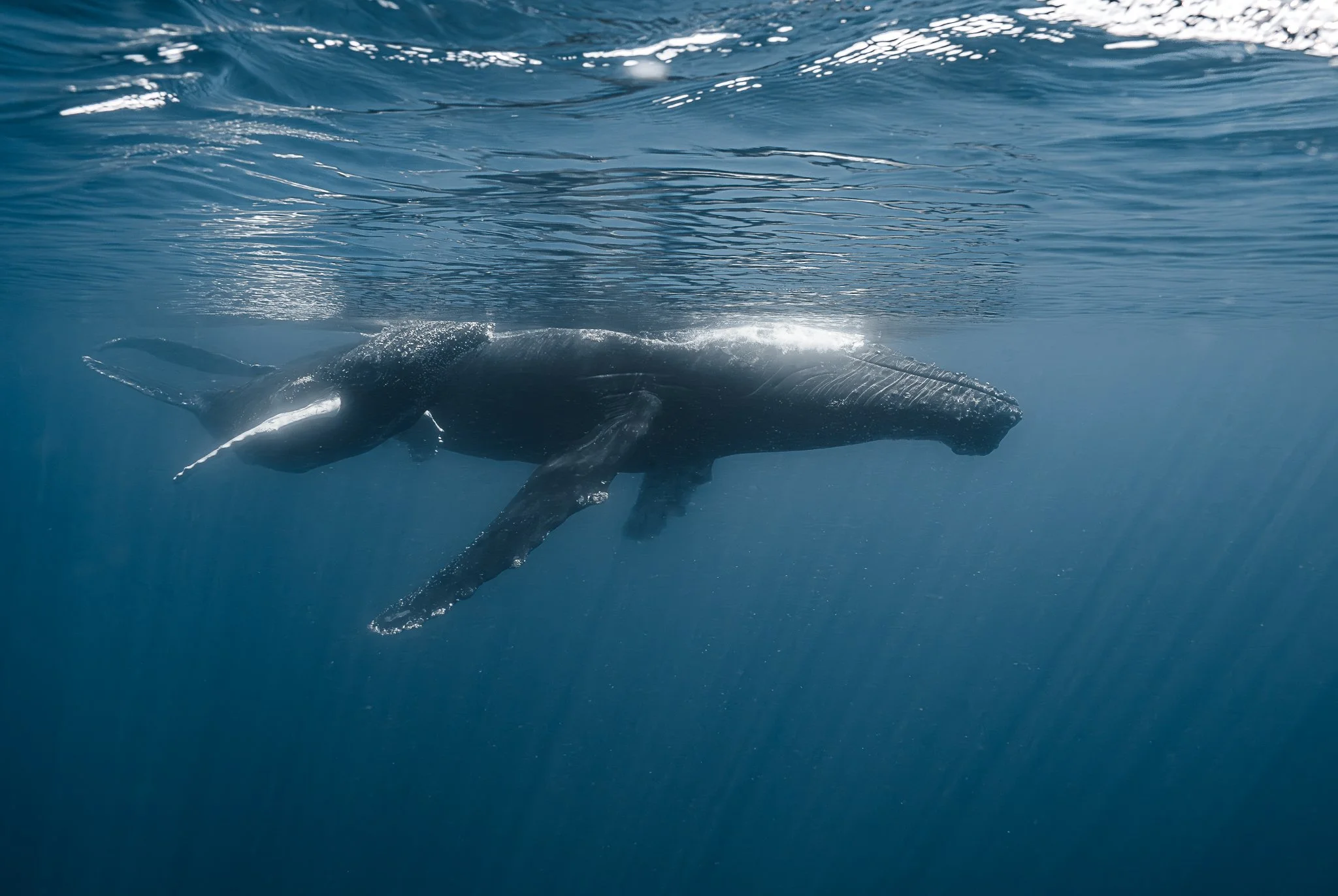
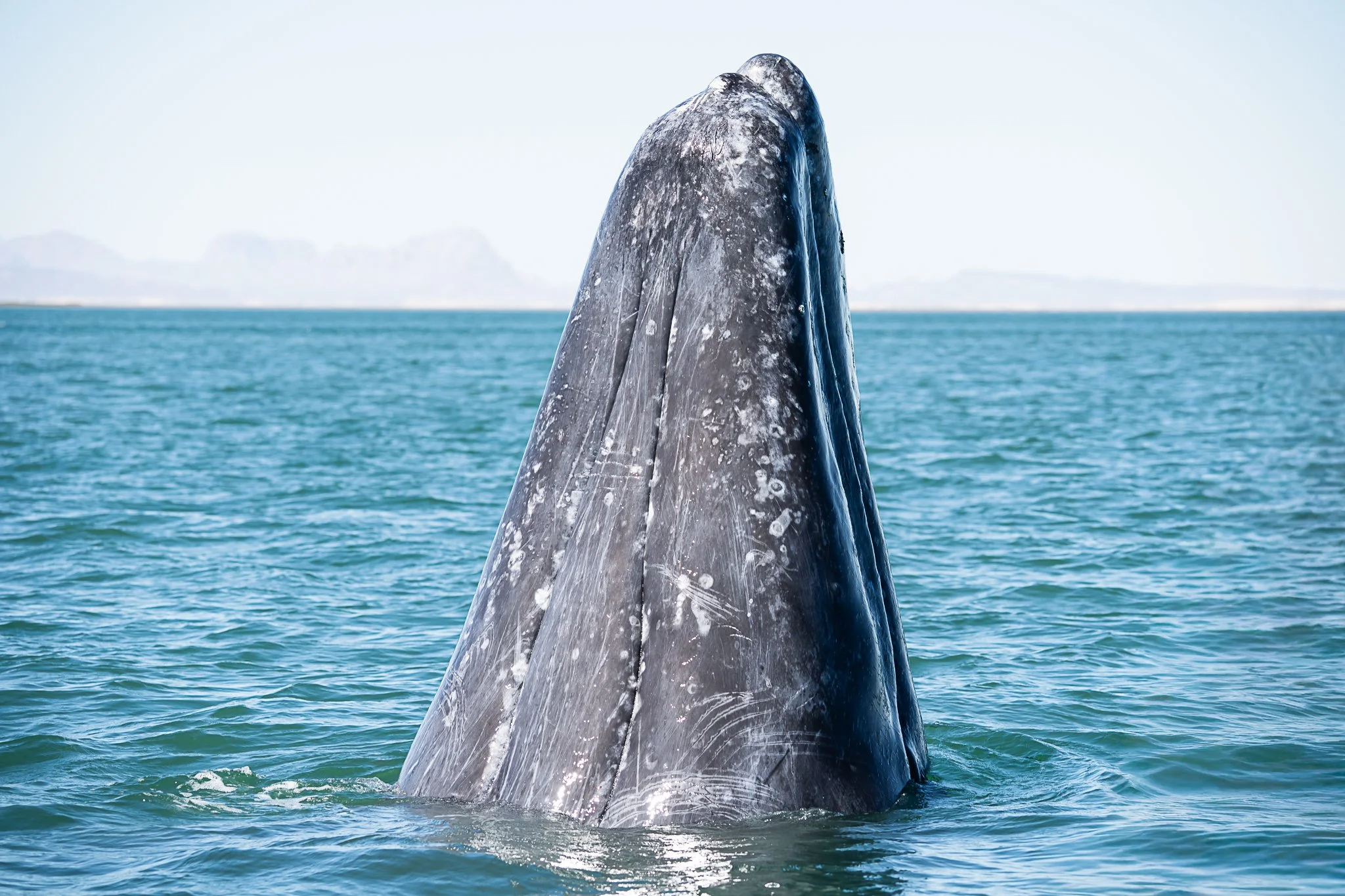
Whale Watching: This is the peak of the migration. For the famous Gray Whales, you must drive north to the lagoons of Magdalena Bay or San Ignacio. In Cabo San Lucas, you will see Humpback whales breaching daily.
Hiking: Because it isn't too hot, winter is the best time to hike the Sierra de la Laguna mountains or explore the canyons near Loreto.
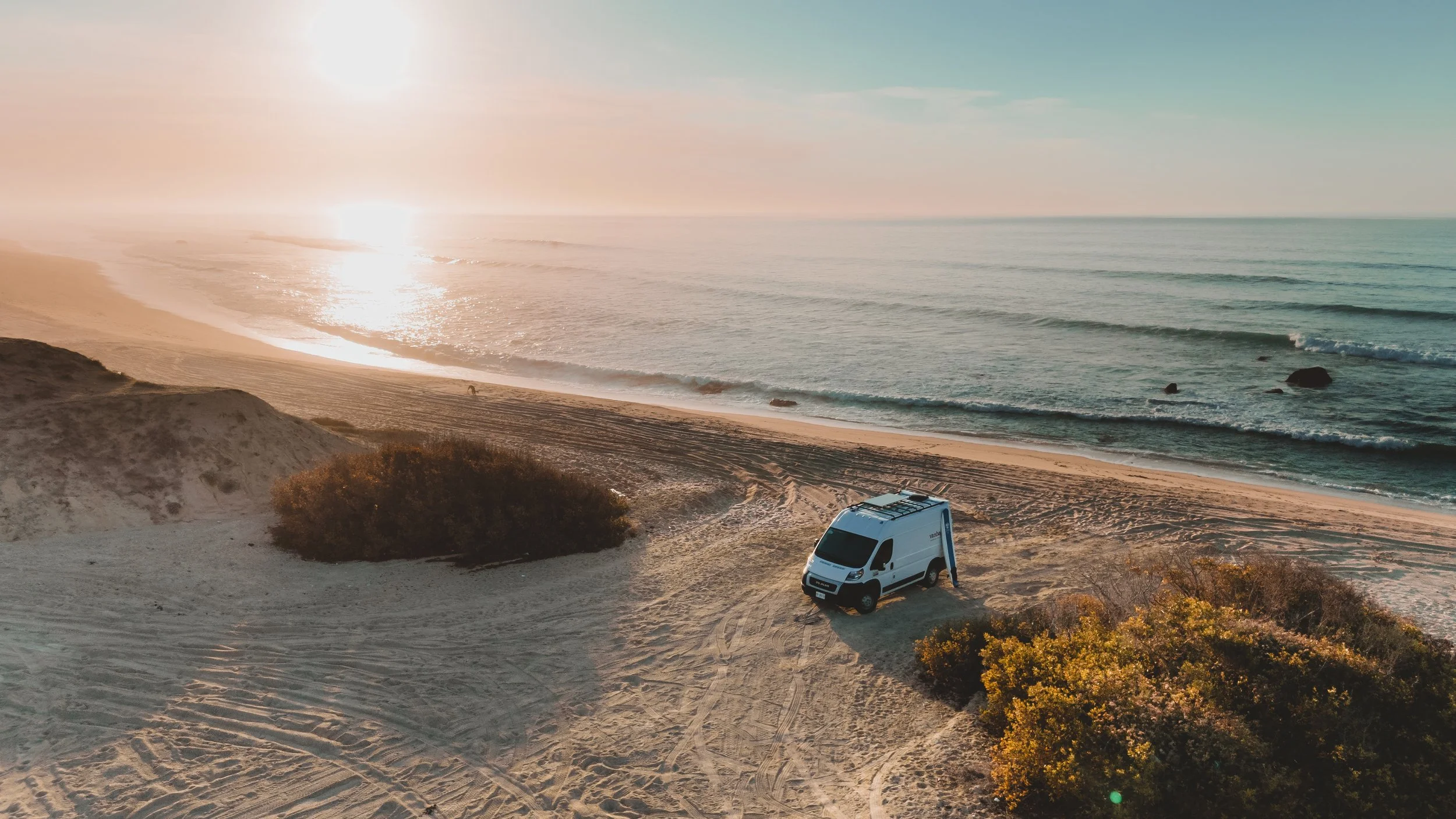
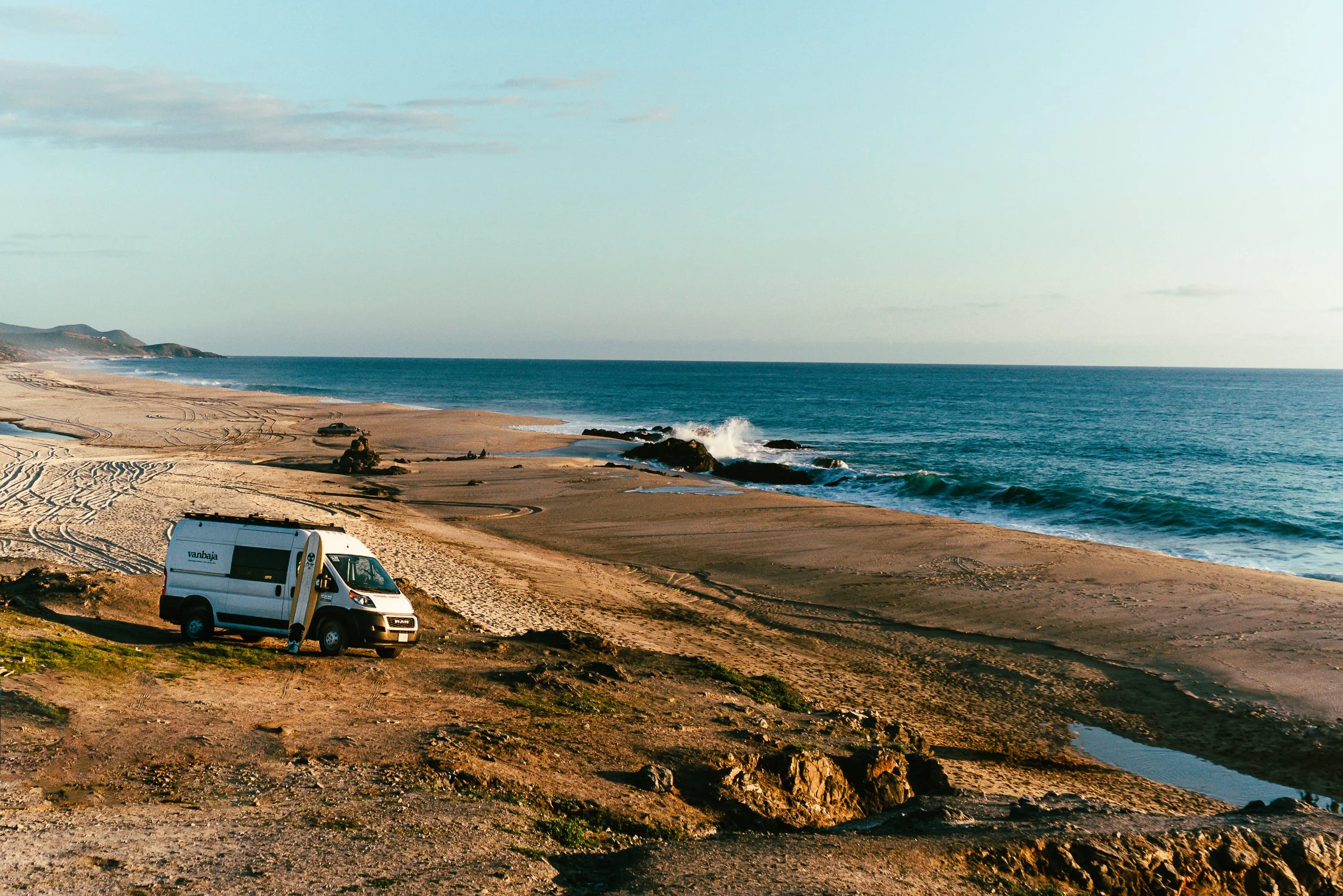
Van Life Tip: Park in "Arroyos" (dry creek beds) or behind dunes to shield your van from the wind. This is the season for campfires and hoodies.

Spring (March – May): The Desert in Bloom
Spring is the transition. The winter winds die down, and the peninsula begins to warm up. This is arguably the most beautiful time for the landscape itself.
What to Expect:
The winds stop, leaving the Sea of Cortez "glassy" (flat and calm). Temperatures are a perfect 20°C to 28°C (68°F–82°F). If there was rain in the winter, the desert explodes with wildflowers and green cacti.
Key Activities & Where to Go:
Balandra & La Paz Beaches: In the winter, these beaches can be windy. In the spring, they are paradises. It is the best time to visit Balandra Beach or El Tecolote before the summer crowds and humidity arrive.
Exploring Missions: With mild weather, driving the winding roads to the historic San Javier Mission near Loreto or Santa Rosalía is much more comfortable.
Paddleboarding (SUP) & Kayaking: Since the water is flat, you can explore the coastline of Concepción Bay. You’ll likely see dolphins and turtles in the crystal-clear water.
Van Life Tip: This is the most flexible season. You can sleep on either the Pacific or the Gulf side comfortably without worrying about extreme wind or heat.
Summer (June – August): Surf, Sun, and Tropical Waters
Summer in Baja is for those who love the heat and the water. This is when the Sea of Cortez turns into a "tropical bathtub."
What to Expect:
It is hot. Temperatures often reach 35°C–40°C (95°F–104°F) with high humidity. However, the water temperature also rises to 28°C (82°F). This is the "low season" for tourists, meaning you will have world-famous spots all to yourself.
Key Activities & Where to Go:
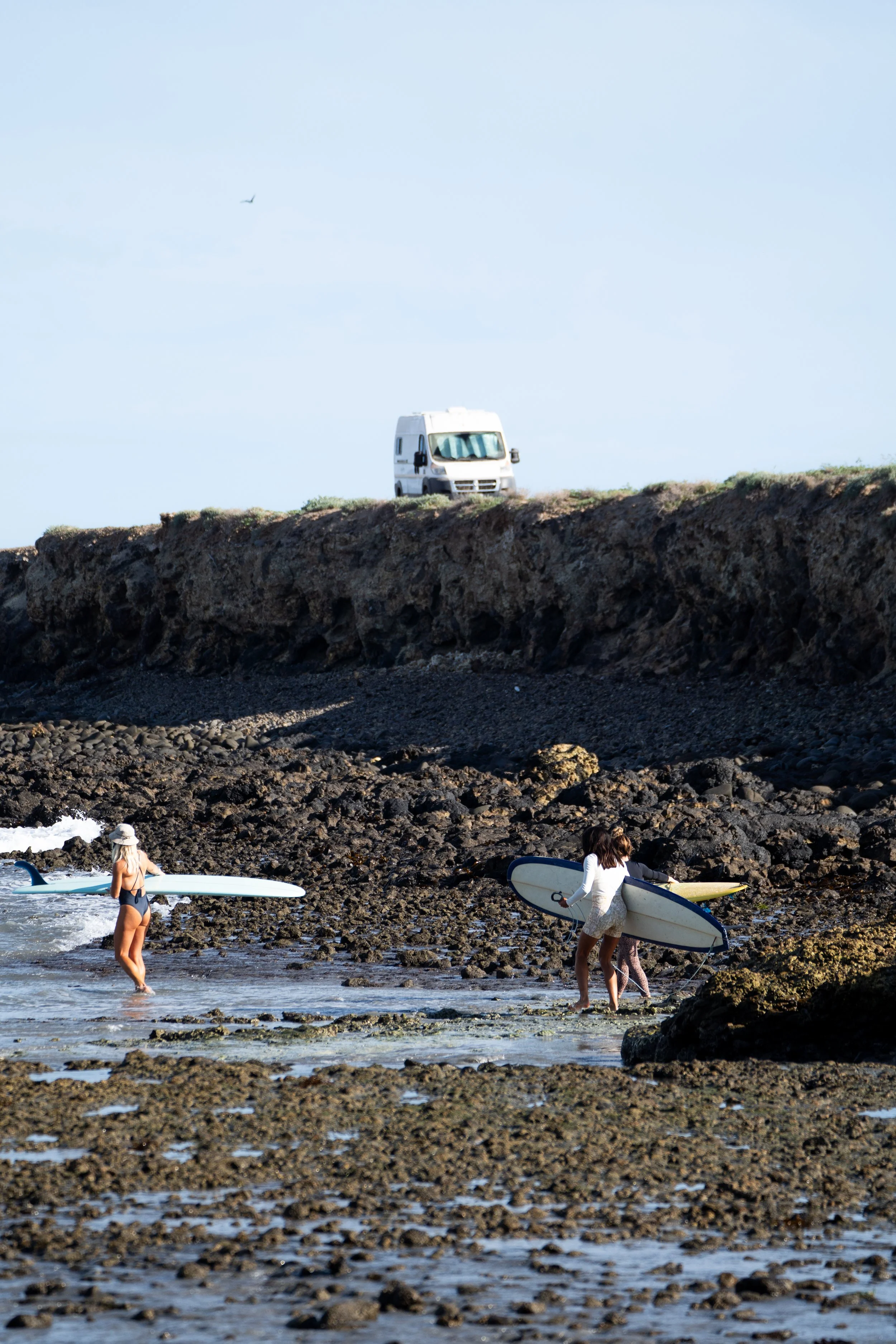
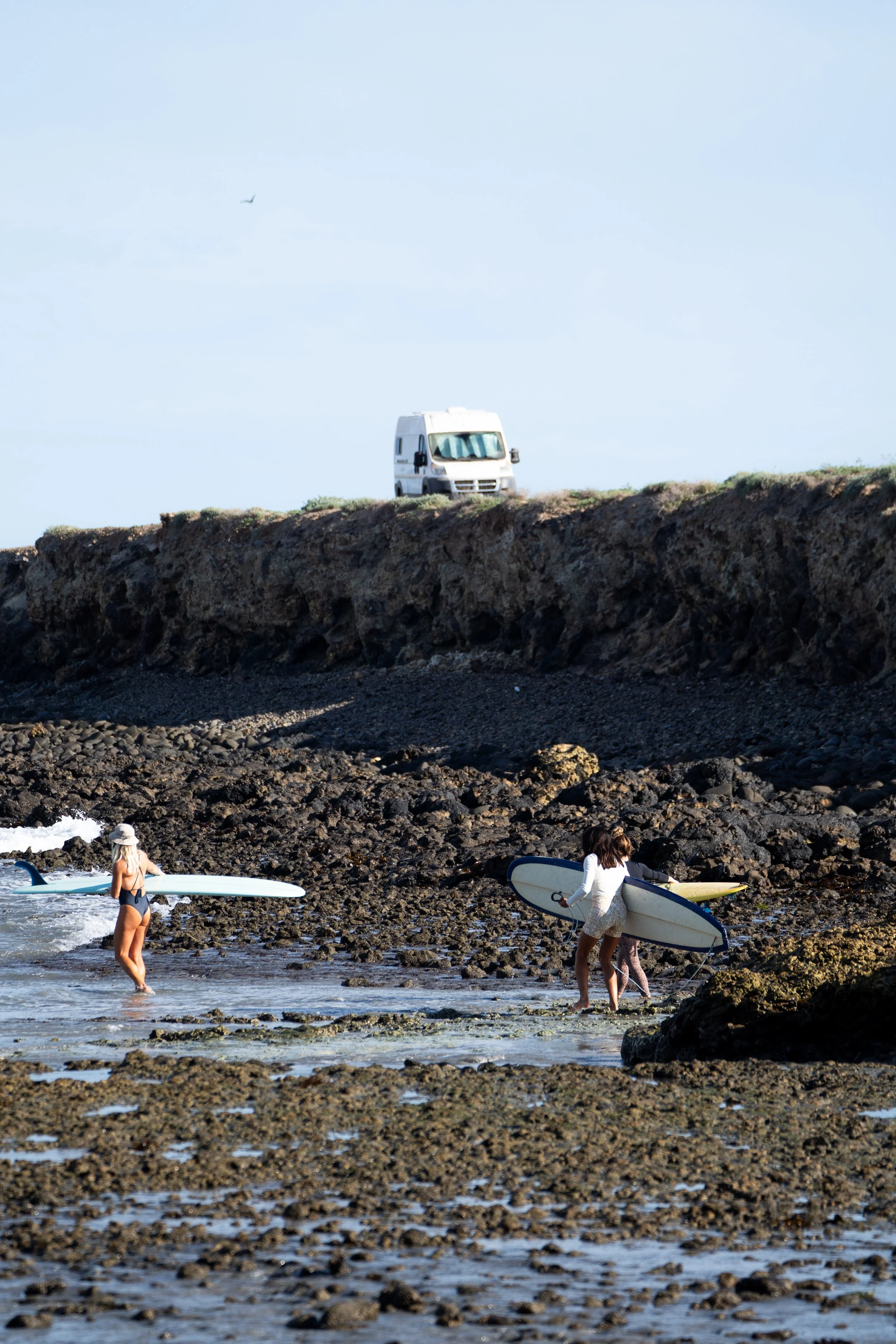
Surfing the East Cape: While the Pacific side has waves in winter, the East Cape (south of Los Barriles) comes alive in the summer. Southern swells hit spots like Nine Palms, Shipwrecks, and Zacatitos. The water is warm enough that you don't need a wetsuit.
Diving Cabo Pulmo: This is the best time for Cabo Pulmo National Marine Park. The visibility is at its peak (up to 30 meters), and the water is calm. You can dive with thousands of Jacks and see the only living hard coral reef in the area.
Snorkeling:The weather conditions are just perfect for snorkeling in La Paz.
Van Life Tip: In the summer, your van is your breeze-maker. Park facing the ocean, open all the doors, and let the sea air circulate. Sleep under the stars—the Milky Way is most visible during these months.
Autumn (September – November): The” Local’s Favorite”
Most locals will tell you that October and November are the best months of the entire year. The intense summer heat fades, but the water remains warm and the marine life is at its most active.
What to Expect:
Temperatures drop back to a comfortable 25°C to 30°C (77°F–86°F). September can bring "Chubascos" (tropical rainstorms), which turn the entire brown desert a shocking, vibrant green.
Key Activities & Where to Go:
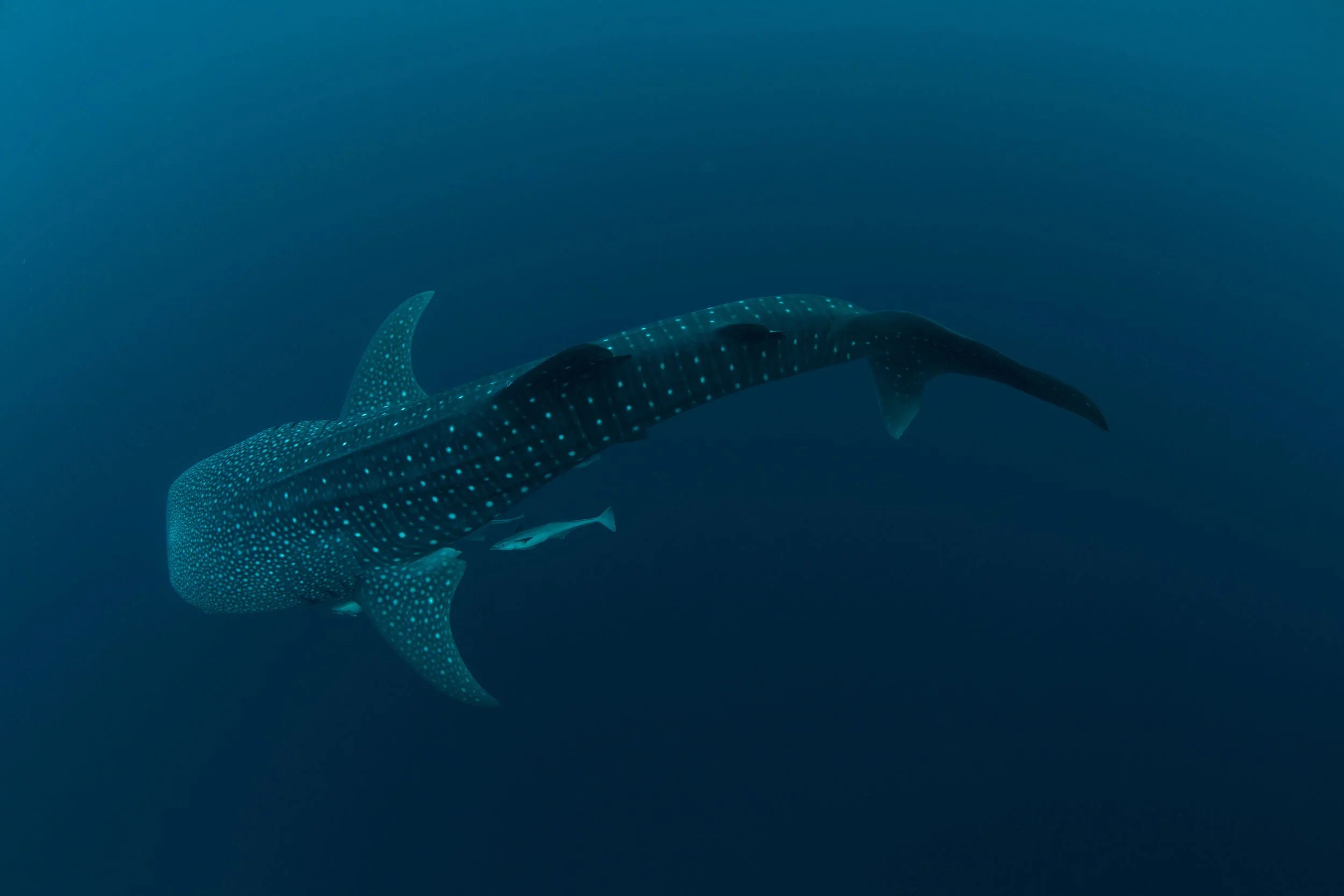
Whale Sharks & Sea Lions: This is the prime time for snorkeling with Whale Sharks in La Paz and playing with sea lion pups at Los Islotes. The pups are older and more curious now, making for incredible interactions.
Off-Grid Exploration: Since the desert is green and the water is warm, exploring the remote beaches of Loreto or the Pacific Coast near Todos Santos is spectacular.
Photography:The contrast of the green desert against the turquoise sea is a photographer’s dream.
Van Life Tip: This is "Glassy" season. The water is often so still it looks like a mirror. Make sure you have a snorkel mask ready in the van at all times—you'll be jumping in the water every few miles.
Summary: Which Season Should You Choose?
Choose Winter if you want to see whales, love wind sports like kiteboarding, and prefer cool, fresh air over heat.
Choose Spring if you want to hike, see the desert bloom, and enjoy the most "perfect" temperatures for sleeping in a van.
Choose Summer if you are a surfer looking for southern swells or a diver wanting the best visibility and warm water.
Choose Autumn if you want to swim with Whale Sharks, see the desert turn green, and experience the local’s favorite weather.
No matter when you choose to come, Baja has a rhythm. At Vanbaja, we provide you with more than just a vehicle; we provide the freedom to follow that rhythm. If the wind is too strong in the south, you drive north. If the water is too cold on the Pacific, you cross to the Sea of Cortez.