Places You Must Visit in Baja California Sur: A Road Traveler's Real Guide
If you've driven Baja before, you know the feeling. You pull off Highway 1, follow a dirt track toward the water, and end up somewhere that looks like it was put there just for you. No signs. No crowds. No one else around for miles.
That's what Baja California Sur does. But there's also a handful of places — towns, bays, reefs, and missions — that you simply cannot skip. Not because they're popular. Because they're genuinely extraordinary, and no amount of driving past them on the highway makes up for not actually stopping.
This is the list I'd give a friend doing the peninsula for the first time (or the fifth). Honest, specific, and with enough context to help you understand what each place actually offers — and what it doesn't.
1. Cabo Pulmo National Park — The Reef You Have to Dive
Why you can't skip it: Cabo Pulmo is home to the only living coral reef in the Sea of Cortez and one of the most successful marine conservation stories in the world. In the 1990s, local fishing families made the decision to stop fishing and protect the reef. Three decades later, the biomass has increased by over 460%. Jacques Cousteau called the Sea of Cortez the "Aquarium of the World." Cabo Pulmo is its crown jewel.
What to do: Snorkel or dive with bull sharks (November–March), massive schools of jacks, rays, and sea turtles. Even non-divers can snorkel the reef from shore — the water is clear and the marine life comes to you.
Where to eat: The village itself is tiny, but Restaurant Caballero is reliable and serves fresh catch of the day. Bring cash — there's no ATM in Cabo Pulmo.
Where to sleep: Camping is allowed just north and south of the park boundaries. If you want a bit more comfort, Cabo Pulmo Beach Resort has basic bungalows right on the water.
What NOT to do: Do not touch the coral. Do not use chemical sunscreen — reef-safe sunscreen only, and ideally none at all when diving near the reef. Don't come expecting infrastructure: Cabo Pulmo has no gas station, limited water, and unreliable cell signal. Fill up in San José del Cabo before you head out.
2. La Paz — The City That Still Feels Like a Town
Why you can't skip it: La Paz is the capital of Baja California Sur and the most livable city on the peninsula. It has the malecon, the seafront promenade where locals walk at sunset, great food, a proper market, dive shops, and access to some of the best day trips in all of Baja — including Espíritu Santo Island, Balandra, and the famous sandbar at Isla Cerralvo. It's the kind of city that makes you extend your stay by three days without noticing.
What to do: Walk the malecon at golden hour. Take a day trip by kayak or panga to Isla Espíritu Santo — a UNESCO biosphere reserve where sea lion colonies come right up to your kayak. Swim at Playa Balandra, one of the most photographed beaches in Mexico, with its famous mushroom-shaped rock and impossibly calm turquoise water.
Where to eat: El Zarape on the malecon for fish tacos that actually live up to the hype. La Pitahaya for local Baja cuisine with mezcal. For breakfast, follow the locals to the Mercado Municipal Nicolás Bravo — there are taco stands inside that have been feeding fishermen since 5am.
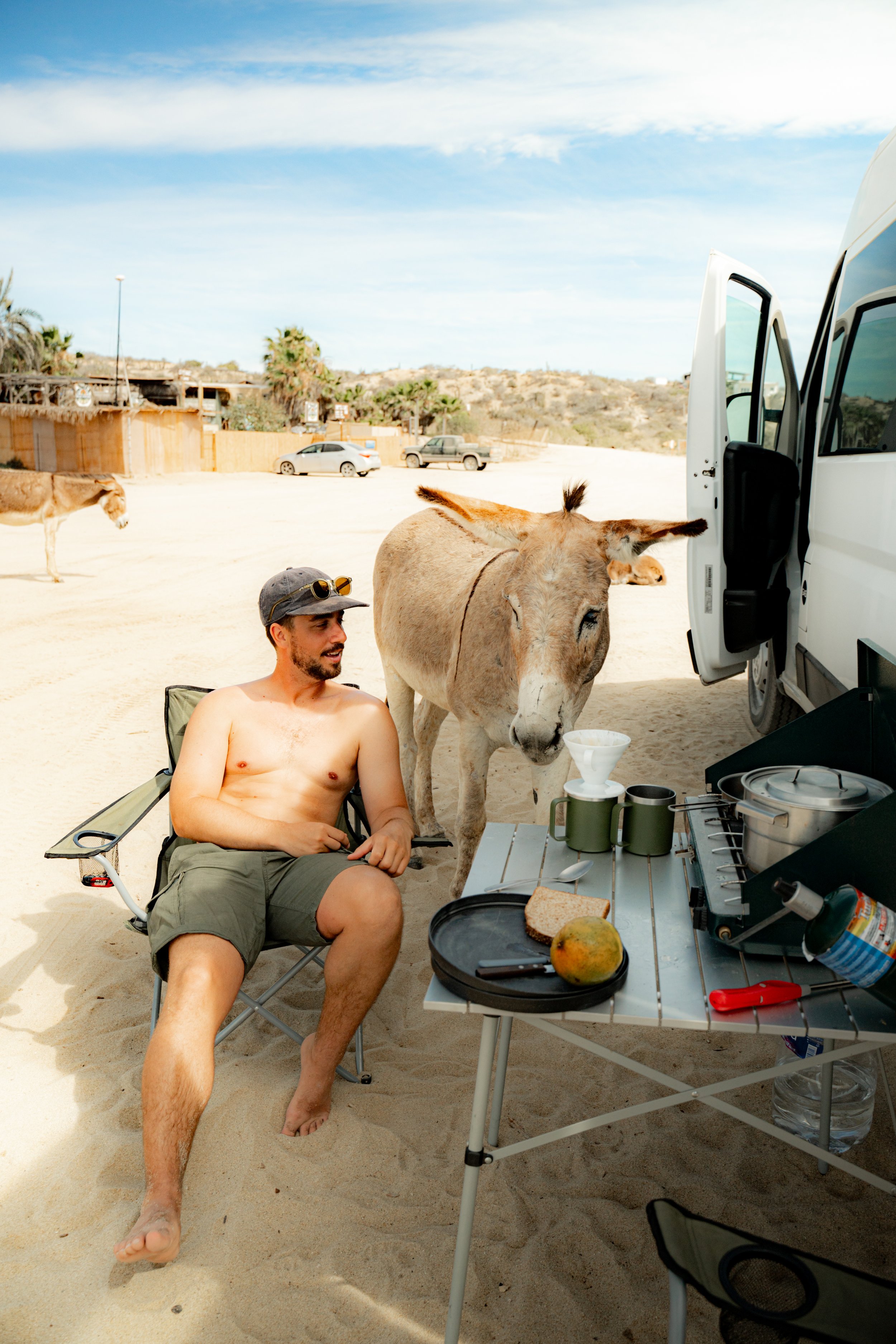
Where to sleep: If you're in a van, there's legitimate street parking along the malecon: Sol & Rv Park. If you want a campground, El Tecolote beach (15 min north) is one of the more reliable spots near the city.
What NOT to do: Don't rent a jet ski in Balandra — motorized vehicles have been restricted to protect the ecosystem. Don't skip the interior of the city for just the malecon: the streets behind it have the best food, the best coffee, and the real La Paz. Don't arrive without pesos — many of the best spots are cash only.

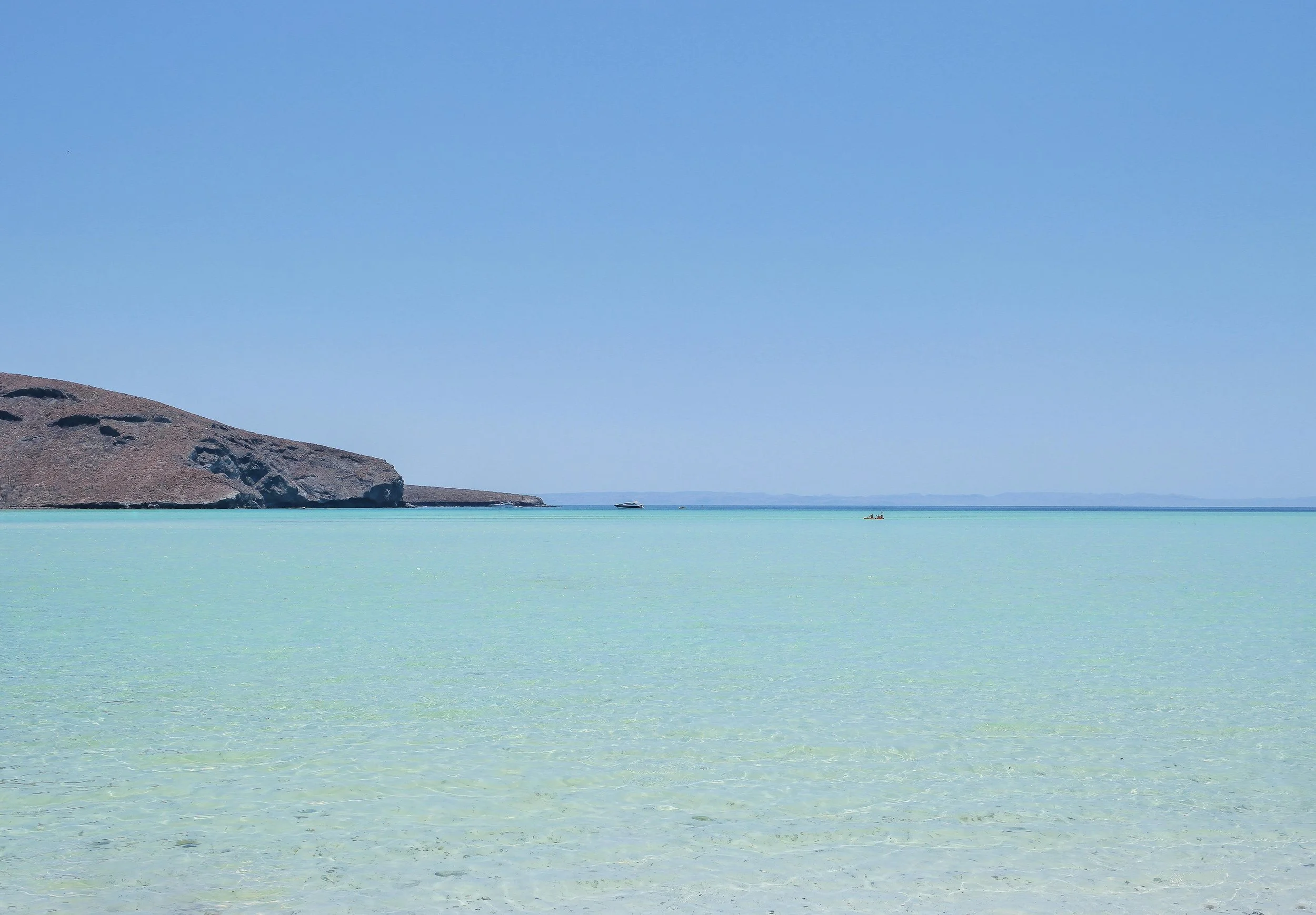
3. La Ventana / El Sargento — Wind, Wildlife, and Wide-Open Water
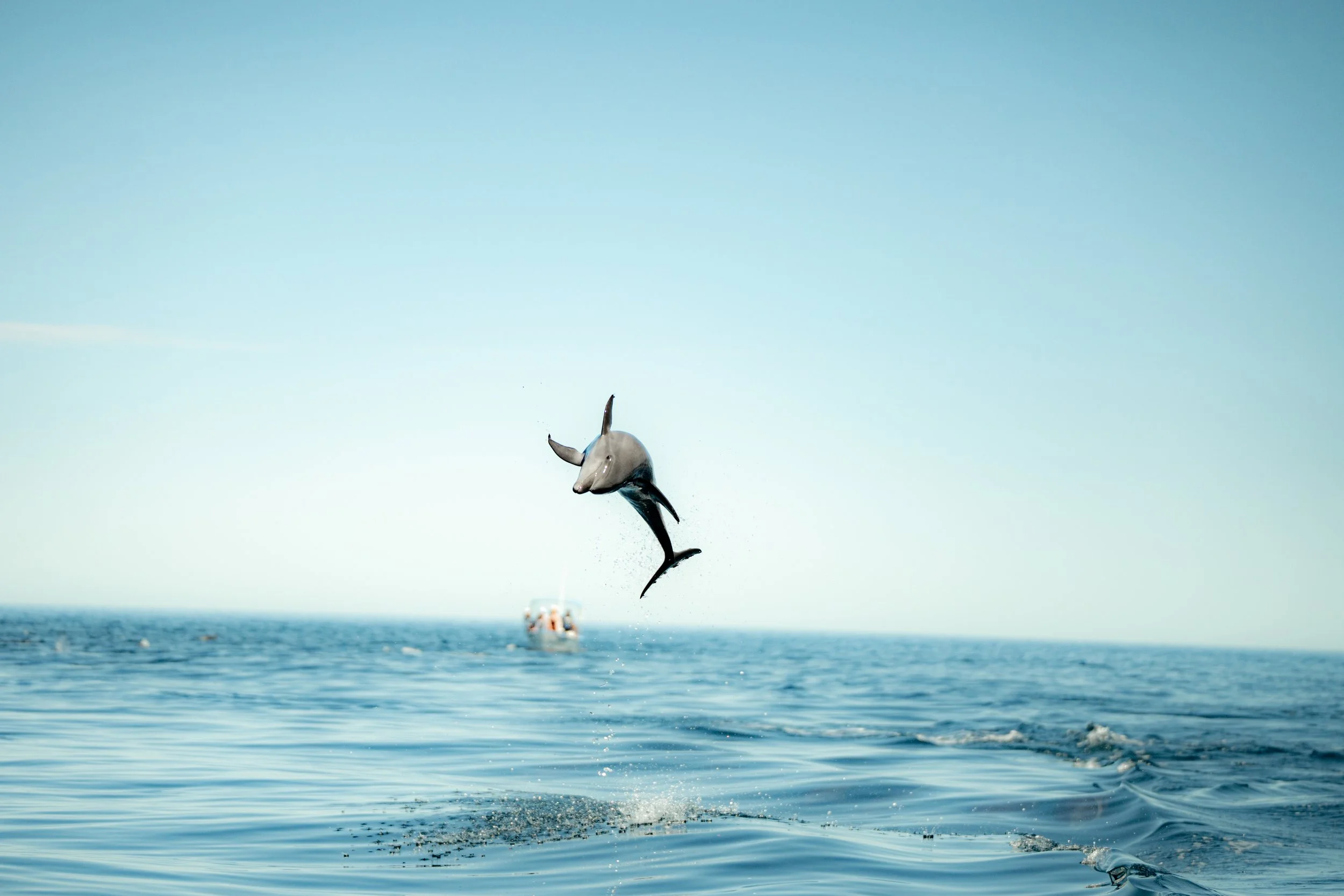
Why you can't skip it: From November to March, the wind at La Ventana is so consistent that it's become one of the top kitesurfing and windsurfing destinations in North America. But La Ventana isn't just a wind sport destination — the channel between the shore and Isla Cerralvo is one of the most wildlife-rich stretches of water in all of Baja. Depending on the season, you can spot humpback whales, mobula rays launching out of the water in formations that look physically impossible, and occasional orca sightings. Mountains directly behind the village. The Sea of Cortez in front. Calm enough to paddle, wild enough to feel alive.
What to do: Watch the kiters at dawn when the wind picks up. But also — get out on the water for a wildlife safari. Local operators run panga tours specifically for whale and mobula watching, and the encounters here are often closer and less crowded than in the more touristy spots. Humpback whales pass through from December to April; mobula rays are most spectacular from spring through early summer when massive schools breach the surface in synchrony. Orca sightings are less predictable but happen — ask locally which week they've been seen. If you're there for sport rather than wildlife, Flying Fish BCS is the go-to kite school. Kayak to the mangroves. Paddleboard at sunset.
Where to eat: La Palapa in El Sargento for grilled fish and cold beers by the water. La Tuna for fresh ceviche. Polvora if you're looking for a proper dinner and good cocktails.
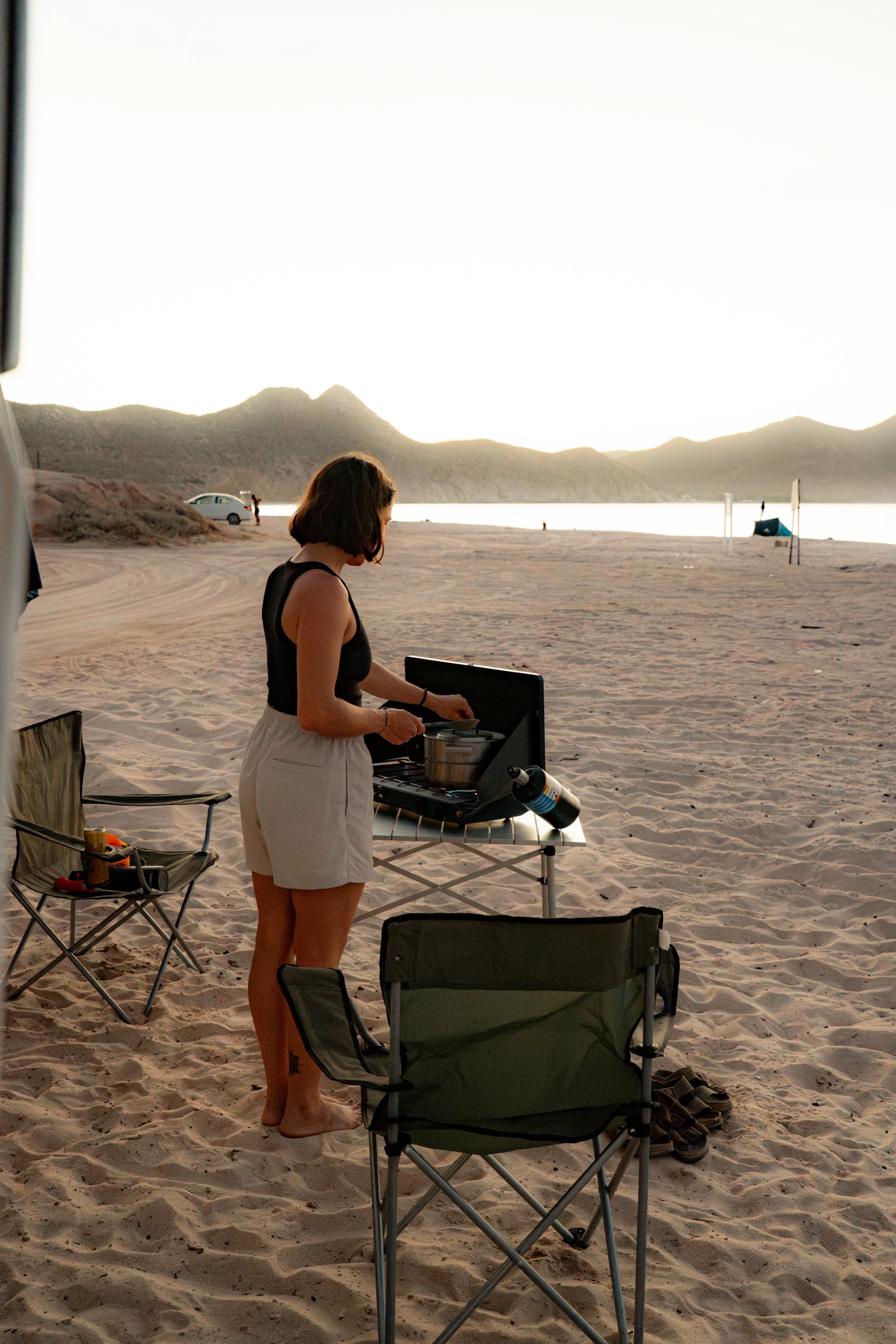
Where to sleep: Van camping right on the beach is standard here. The stretch north of the village has the most space and the best sunrise views. Arrive before dark to find your spot — it fills up in high kite season (Jan–Feb).
What NOT to do: Don't launch a kiteboard without checking with locals about zones — kite beaches have designated launch areas and ignoring them is both dangerous and disrespectful. Don't come in summer expecting wind; La Ventana is a winter and spring destination for sports. And if you're there for the wildlife, don't go with any operator who chases the animals — the best encounters happen when you let them come to you.
4. Loreto — The Town That Started Everything
Why you can't skip it: Loreto was the first permanent settlement in the Californias, founded by Jesuit missionaries in 1697. Its mission — Misión Nuestra Señora de Loreto — is still standing, and the historic center around it feels remarkably intact: cobblestone streets, a proper plaza, no chain hotels. The bay in front of Loreto is one of the most protected stretches of water on the peninsula, backed by the dramatic Sierra de la Giganta.
What to do: Walk the mission and the museo adjacent to it — genuinely worth an hour of your time. Then take a boat out to Isla del Carmen for snorkeling and kayaking in water that's some of the clearest in Baja. The paddle from the beach at Nopoló to the islands is also doable for experienced kayakers.
Where to eat: McLulu's on the malecon for homemade tortillas and fresh fish prepared simply and perfectly. El Taste for tacos gobernador. The plaza has a handful of reliable spots — walk it once before choosing. La Picazon north of Loreto, for a unique way to eat local products and maybe renting a Kayak to explore afterwards.
Where to sleep: There's a good campground at Playa Juncalito, about 20 minutes south on a dirt road — right on the bay, protected from wind, and one of the nicer camping spots in the region. In town, van parking near the malecon is generally fine overnight.
What NOT to do: Don't rush through Loreto on the way to La Paz. Most people give it two hours and leave. Stay at least one night — the town is completely different when the day-trippers are gone. Also: don't skip the drive to San Javier — it's 36km inland on a dirt road through the Sierra de la Giganta and it's one of the best drives in all of Baja. The mission at San Javier (1699) is even more intact than Loreto's and the drive through the canyon is extraordinary.
5. Mulegé — The Oasis Town You Weren't Expecting
Why you can't skip it: Mulegé sits at the mouth of the only freshwater river in Baja California Sur. In a desert peninsula, that's remarkable — and it shows. The town has date palm groves, lush vegetation lining the river, and a calm bay that's perfect for kayaking and paddleboarding. It's also the access point for Bahía Concepción, arguably the most beautiful stretch of coast on the entire peninsula.
What to do: Paddle the river through the mangroves at sunrise. Drive the 40km stretch of Highway 1 that hugs Bahía Concepción — stop at Playa Santispac, Playa Coyote, Playa El Burro, and Playa Requesón. Each one is better than the last. Camp on any of them. There are roadside taco stands at Santispac that have been feeding travelers for decades.
Where to eat: Restaurant Las Casitas in town for the best fish tacos in the region. Cash only. Worth every peso.
Where to sleep: Bahía Concepción itself — pull off Highway 1 at any of the beaches mentioned above. There are small fees (usually 100–200 MXN) collected by locals at the main beaches, and it's some of the best van camping in all of Baja. Bring your own water.
What NOT to do: Don't drive the side roads into Bahía Concepción in a 2WD vehicle after rain — the sandy tracks become impassable. Don't skip the viewpoint pull-off just north of Mulegé where the bay first comes into view; it's one of those road trip moments.
6. Bahía Magdalena — Where the Whales Come to Rest
Why you can't skip it (January–March): Bahía Magdalena is one of the three main breeding lagoons where gray whales come every winter to give birth and nurse their calves before the long migration back to Alaska. Unlike Laguna Ojo de Liebre near Guerrero Negro, Magdalena Bay gets fewer visitors — which means your chances of getting close to a curious whale are excellent. The calves are notoriously playful and sometimes approach the pangas on their own.
What to do: Take a whale watching tour out of Puerto Chale or Puerto San Carlos. Reputable local operators charge around 700–900 MXN per person for a 2-hour tour. Book with someone who follows responsible wildlife guidelines — no chasing, no engine near the animals.
Where to eat: San Carlos has a handful of mariscos spots on the main street. Ask which boat the fish came in on this morning and order that.
What NOT to do: Don't come outside of whale season (December–March) expecting whales — they're gone. Don't take a tour with any operator that drives the panga directly into a group of whales rather than waiting for them to approach.
→ Bahía Magdalena on Google Maps
7. Todos Santos — The Art Town That Hasn't Completely Sold Out
Why you can't skip it: Todos Santos sits on the Pacific side, about an hour north of Cabo San Lucas, and for years it flew completely under the radar — a small agricultural town with a surf break and a handful of artists. The secret is partially out now, but the historic center still has genuine character: colonial architecture, good galleries, farm-to-table restaurants, and a surf culture that started long before the boutique hotels arrived.
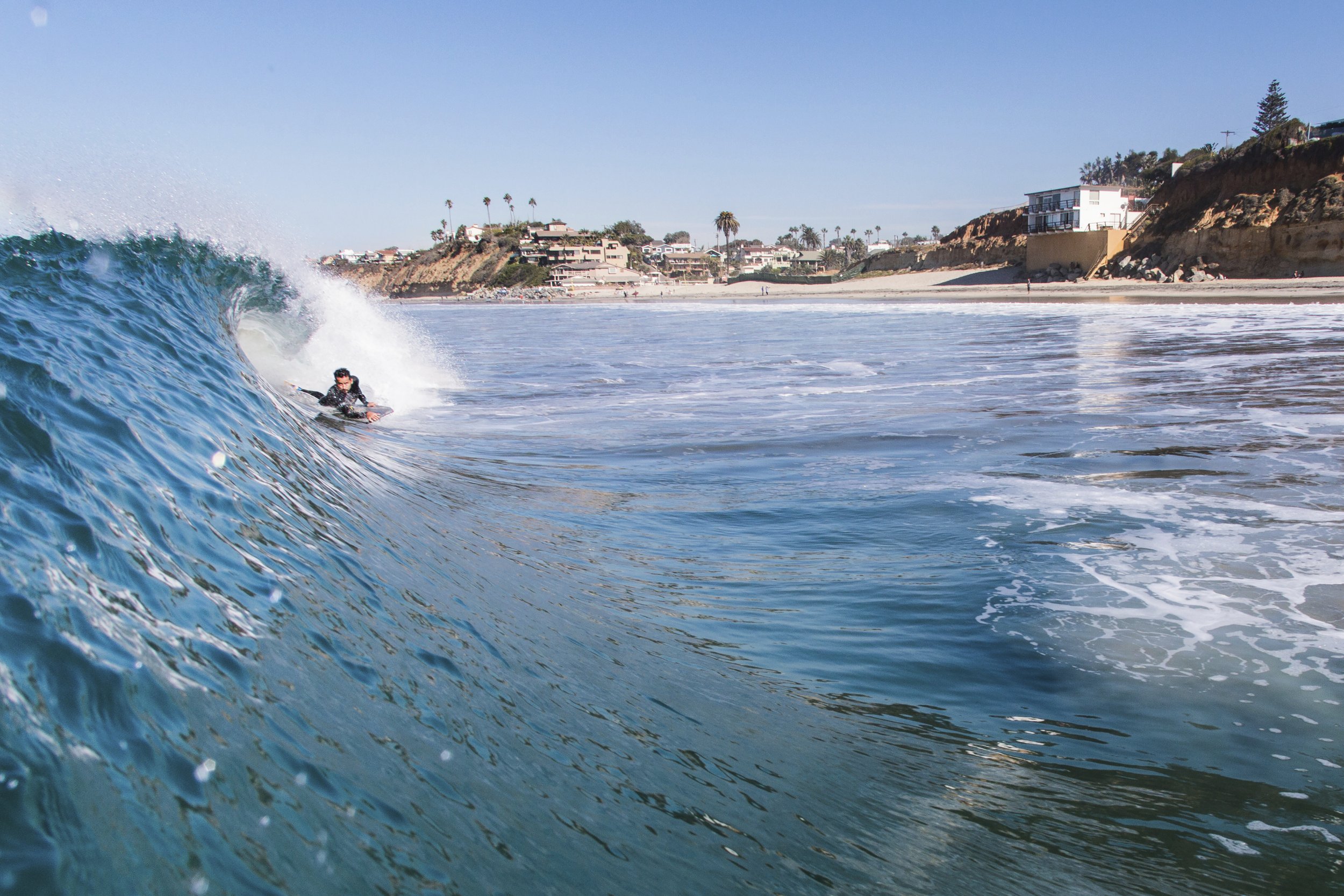
What to do: Surf San Pedrito or La Pastora (for experienced surfers only — the Pacific here is serious). Walk the historic center. Have a coffee at Cafelix and stay for two hours. Visit the Misión de Todos Santos, one of the lesser-visited missions on the peninsula. Hike Punta Lobos trail.
Where to eat: El Gusto for fresh, locally-sourced Baja cuisine that actually deserves the price. Taquería El Poblano on the highway for when you want to eat like a local without spending like a tourist.
Where to sleep: Van parking in the main plaza area is generally fine. For camping, head south toward Los Cerritos beach (about 10km) — one of the more consistent beach breaks in the area, with a campground that works for vans and tents. Or choose San Pedrito as a more secluded spot.
What NOT to do: Don't surf if you're not confident in powerful shore break — the wave is beautiful and unforgiving. Don't judge Todos Santos by the Hotel California (which has nothing to do with the Eagles song, despite what the marketing implies). And don't skip the drive down to La Pastora for the view even if you don't surf.
The Honest Rule for Driving Baja California Sur
These seven places are the anchors. But the best moments on a Baja road trip are usually the ones that weren't on any list — the beach you found by following a track that looked interesting, the family that invited you for coffee when you stopped to ask for directions, the bay where you ended up staying three days longer than planned because leaving felt wrong.
Use this list as a starting point. Let Baja do the rest.
And if you're thinking about when to plan your trip, timing changes everything — especially for whale watching, marine life, and surf conditions. Check our full seasonal guide before you book.
Want to know where to sleep along the way? Our guide on where to camp in Bajabreaks down beach access by vehicle type, so you're never stuck guessing if your van can make it to that beach.
Ready to go? Pick your vehicle and build your trip here.